logo
家へ
製品
わたしたち に つい て
工場ツアー
品質管理
連絡 ください
見積依頼
ニュース
ブログ
ホーム ブログ

IP67 Vs IP68 Key Differences for Electronics Protection

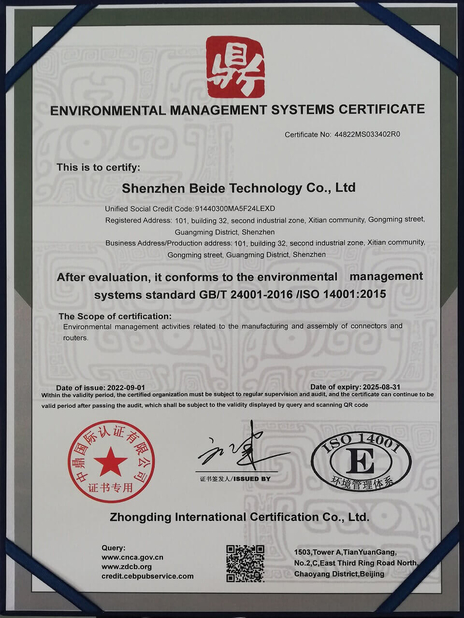
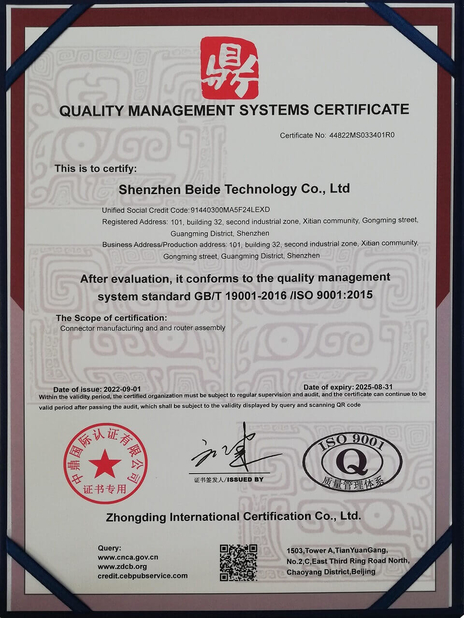
認証
中国 DONGGUAN BEDE MOLD AND PLASTIC FRODUCTS CO., LID 認証
顧客の検討
こんにちは エリッサ 去年の初め 私の同僚が 20本の電線を 注文しました あなたの会社で作ったケーブルは かなりうまく機能しました 私はあなたの会社を使って 将来 このようなケーブルを もっと生産することに興味があります

—— マシュー・ゲッツマン

競争力のある価格,高品質のサービス,私たちは長期間あなたと協力します!

—— ドンゲク・イリア

オンラインです
会社 ブログ
IP67 Vs IP68 Key Differences for Electronics Protection
最新の会社ニュース IP67 Vs IP68 Key Differences for Electronics Protection

In today's interconnected world, electronic devices have become essential to daily life. From smartphones to industrial sensors, these devices operate in diverse environments, often facing harsh weather conditions like sudden downpours or accidental submersion. Selecting enclosures with appropriate protection ratings is crucial to ensure the safety and reliable operation of sensitive electronic components.

The Environmental Challenges Facing Electronic Devices

Imagine being caught in an unexpected rainstorm with your smartphone exposed, or accidentally dropping an expensive camera into water during outdoor adventures. Water and dust are among the most significant threats to electronic devices, potentially causing short circuits, corrosion, functional failures, or complete device damage.

Industrial environments present even greater challenges. Factories, construction sites, and mines expose equipment to constant threats from dust, water, oil, and other contaminants that can compromise performance and longevity. Robust protective enclosures are essential to ensure reliable operation under demanding conditions.

IP Ratings: The Global Standard for Enclosure Protection

The IP (Ingress Protection) rating system provides a globally recognized classification for electronic enclosure protection. This two-digit code clearly indicates an enclosure's resistance to solid objects (like dust or tools) and liquids (primarily water).

First Digit: Protection Against Solids
  • IP1X: Protects against objects larger than 50mm
  • IP2X: Protects against objects larger than 12.5mm
  • IP3X: Protects against objects larger than 2.5mm
  • IP4X: Protects against objects larger than 1mm
  • IP5X: Dust-protected (limited ingress permitted without harmful effects)
  • IP6X: Completely dust-tight
Second Digit: Protection Against Liquids
  • IPX0: No protection
  • IPX1: Protected against vertically falling drops
  • IPX2: Protected against drops when tilted up to 15°
  • IPX3: Protected against sprays up to 60° from vertical
  • IPX4: Protected against splashes from any direction
  • IPX5: Protected against low-pressure water jets
  • IPX6: Protected against high-pressure water jets
  • IPX7: Protected against immersion in 1m of water for 30 minutes
  • IPX8: Protected against continuous immersion beyond 1m (manufacturer-specified)
  • IPX9K: Protected against high-temperature, high-pressure water jets
IP67 vs. IP68: Shared Protective Characteristics

Both IP67 and IP68 offer excellent protection for electronic enclosures:

  • Complete dust resistance: Prevents ingress of dust and small particles
  • Accidental contact protection: Safeguards against contact with internal components
  • Water splash and spray resistance: Withstands rain and humid conditions
  • Water jet protection: Resists high-pressure water streams
  • Temporary submersion protection: Survives 30-minute immersion in 1m of water
Key Differences Between IP67 and IP68

The primary distinction lies in submersion capabilities:

  • IP67: Guarantees protection in 1m of water for 30 minutes
  • IP68: Exceeds 1m depth and 30 minutes (manufacturer-specified)

When selecting IP68-rated products, always verify manufacturer specifications. For example, most IP68 smartphones protect to 1.5m depth for 30 minutes, while marine-grade enclosures may withstand 3m or deeper.

Choosing Between IP67 and IP68

The appropriate rating depends on application requirements:

  • IP67: Suitable for most outdoor applications where prolonged submersion isn't expected
  • IP68: Essential for underwater equipment, marine applications, or flood-prone areas
Application Examples:
  • Smartphones: IP67 suffices for daily use; IP68 preferred for water sports
  • Outdoor speakers: Either rating works for rainy conditions
  • Industrial sensors: Both protect against harsh environments
  • Underwater lighting: Requires IP68
  • Dive computers: Must have IP68 with depth specifications matching usage
Additional Considerations Beyond IP Ratings

When selecting enclosures, also evaluate:

  • Material durability and corrosion resistance
  • Proper sizing for internal components
  • Installation method and security
  • Cost-effectiveness for the application
Understanding NEMA Ratings

In North America, NEMA (National Electrical Manufacturers Association) ratings provide alternative classifications, particularly for hazardous environments:

  • NEMA 1: Basic protection (similar to IP10)
  • NEMA 3/3R: Weather-resistant (similar to IP54/IP14)
  • NEMA 4/4X: Watertight and corrosion-resistant (similar to IP66)
  • NEMA 7: Explosion-proof for flammable gases
  • NEMA 9: Dust-ignition-proof
Future Trends in Protective Enclosures

Emerging developments include:

  • Higher protection standards (like IP69K)
  • Smart features for environmental monitoring
  • Lightweight materials without compromising durability
  • Eco-friendly, recyclable materials
  • Customization options for specialized applications

As electronic devices continue evolving, protective enclosure technology must advance to meet increasingly demanding operational requirements across diverse environments.

パブの時間 : 2026-06-04 00:00:00 >> blog list
連絡先の詳細
DONGGUAN BEDE MOLD AND PLASTIC FRODUCTS CO., LID

コンタクトパーソン: Ms. admin

電話番号: 15915396878

私達に直接お問い合わせを送信 (0 / 3000)