logo
家へ
製品
わたしたち に つい て
工場ツアー
品質管理
連絡 ください
見積依頼
ニュース
ブログ
ホーム ブログ

Guide to Terminal Block Wiring Principles and Troubleshooting

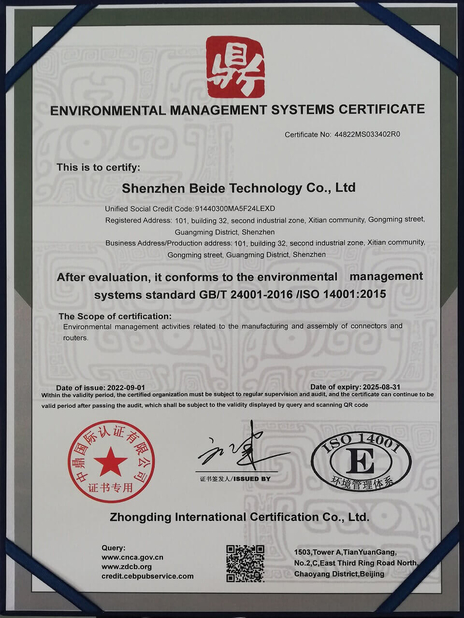
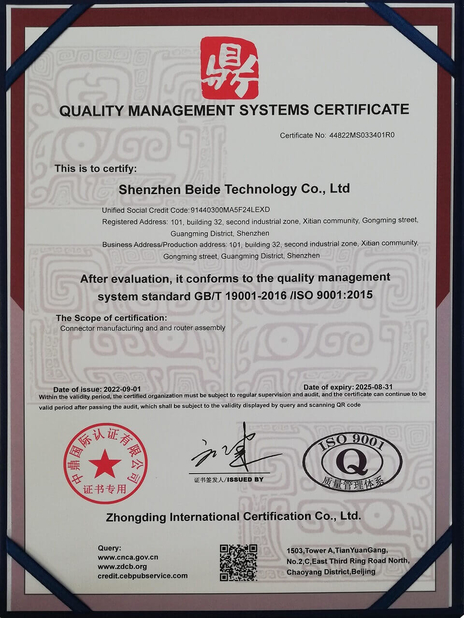
認証
中国 DONGGUAN BEDE MOLD AND PLASTIC FRODUCTS CO., LID 認証
顧客の検討
こんにちは エリッサ 去年の初め 私の同僚が 20本の電線を 注文しました あなたの会社で作ったケーブルは かなりうまく機能しました 私はあなたの会社を使って 将来 このようなケーブルを もっと生産することに興味があります

—— マシュー・ゲッツマン

競争力のある価格,高品質のサービス,私たちは長期間あなたと協力します!

—— ドンゲク・イリア

オンラインです
会社 ブログ
Guide to Terminal Block Wiring Principles and Troubleshooting
最新の会社ニュース Guide to Terminal Block Wiring Principles and Troubleshooting

Terminal blocks serve as crucial components in electrical systems, providing secure and reliable connections between wires. Improper wiring can not only compromise equipment performance but also create significant safety hazards. This comprehensive guide examines terminal block wiring principles, offers step-by-step instructions, and addresses common challenges to help professionals master this essential skill.

Understanding Terminal Blocks

As fundamental elements in electrical connectivity, terminal blocks facilitate circuit completion and control across various devices and systems. These components come in three primary configurations:

  • Screw-type terminals: Feature clamping screws for wire fixation
  • Spring-loaded terminals: Utilize spring pressure to secure conductors
  • Push-in terminals: Allow direct wire insertion without tools

Each variant demonstrates distinct characteristics that determine its appropriate applications in different electrical environments.

Wiring Procedure

Before initiating any wiring work, always disconnect power sources to ensure personnel safety. Essential tools include wire strippers and appropriately sized screwdrivers (for screw-type terminals). Follow these systematic steps:

  1. Consult circuit diagrams or equipment manuals to identify wire-terminal pairings
  2. Strip insulation using calibrated wire strippers, exposing sufficient conductor length without damaging copper strands
  3. For screw-type terminals: Insert bare conductor into terminal chamber and tighten screw to specified torque
  4. For spring-loaded terminals: Depress spring mechanism, insert conductor, then release to secure connection
  5. For push-in terminals: Directly insert prepared conductor until audible or tactile confirmation

Conclude by thoroughly inspecting all connections for mechanical stability and electrical continuity, preventing potential loose contacts or short circuits.

Common Challenges and Solutions

Several frequent wiring issues merit particular attention:

  • Improper stripping length: Excessive exposure risks short circuits, while insufficient length compromises conductivity
  • Incorrect screw torque: Over-tightening may damage terminal housings; under-tightening creates unstable connections
  • Wrong insertion orientation: Reversed polarity can disrupt circuit functionality

To prevent these issues, strictly adhere to manufacturer specifications in technical documentation. Implement regular maintenance inspections to detect and address connection degradation, corrosion, or loosening, thereby ensuring sustained electrical system reliability.

パブの時間 : 2026-06-10 00:00:00 >> blog list
連絡先の詳細
DONGGUAN BEDE MOLD AND PLASTIC FRODUCTS CO., LID

コンタクトパーソン: Ms. admin

電話番号: 15915396878

私達に直接お問い合わせを送信 (0 / 3000)