logo
家へ
製品
わたしたち に つい て
工場ツアー
品質管理
連絡 ください
見積依頼
ニュース
ブログ
ホーム ブログ

Experts Address Dsub Connector Shielding and Soldering Challenges

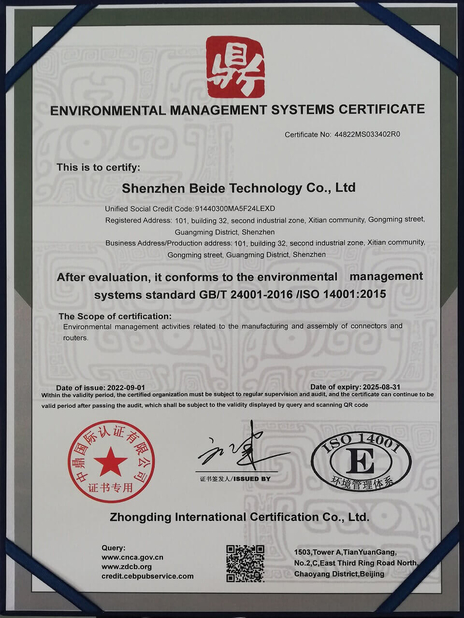
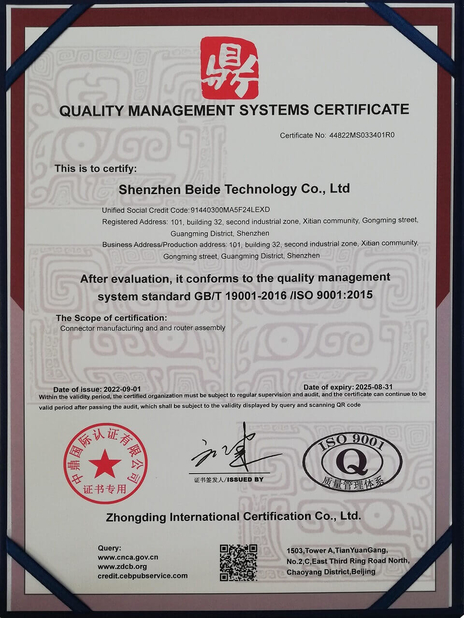
認証
中国 DONGGUAN BEDE MOLD AND PLASTIC FRODUCTS CO., LID 認証
顧客の検討
こんにちは エリッサ 去年の初め 私の同僚が 20本の電線を 注文しました あなたの会社で作ったケーブルは かなりうまく機能しました 私はあなたの会社を使って 将来 このようなケーブルを もっと生産することに興味があります

—— マシュー・ゲッツマン

競争力のある価格,高品質のサービス,私たちは長期間あなたと協力します!

—— ドンゲク・イリア

オンラインです
会社 ブログ
Experts Address Dsub Connector Shielding and Soldering Challenges
最新の会社ニュース Experts Address Dsub Connector Shielding and Soldering Challenges

Have you ever faced the gleaming metal shield of a D-Sub connector, wanting to solder a ground wire but hesitating due to uncertainty about its material composition? In electronic device assembly and repair, D-Sub connectors remain a classic and widely used interface. The material of their metal shielding layer directly impacts soldering difficulty, connection reliability, and overall electromagnetic compatibility (EMC) performance. This article thoroughly examines common materials used in D-Sub connector shielding layers, explores their soldering characteristics, and provides practical solutions to help engineers and technicians overcome these operational challenges.

Common Materials and Characteristics of D-Sub Metal Shields

D-Sub connectors, also known as Subminiature D-type connectors, maintain their importance in computers, communication equipment, and industrial control systems due to their robust construction and reliable performance. The metal shield primarily serves to block external electromagnetic interference (EMI) while preventing internal signal leakage, ensuring signal integrity and system stability. Yet this crucial protective layer often becomes a stumbling block during soldering operations.

Industry practice and manufacturer data indicate that D-Sub connector shields typically use these materials:

  • SPCC (Cold Rolled Carbon Steel): The most common material, offering good machinability at low cost. However, pure SPCC has poor solderability due to its low thermal conductivity, often resulting in weak joints. Surface treatments are usually applied to prevent rusting.
  • SUS301/SUS304 (Stainless Steel): Used in high-end applications for superior corrosion resistance and mechanical strength. Its lower thermal conductivity makes soldering more challenging than SPCC, requiring higher temperatures and specialized techniques.
  • Zinc Alloy (Die Cast Zinc): Found in pressure-cast D-Sub connectors, offering good fluidity for complex shapes. Solderability varies based on alloy composition and surface treatment.
Surface Treatments: Critical Factors Affecting Solderability

The surface treatment applied to the base material significantly influences soldering performance:

  • Nickel Plating: The most common treatment, improving SPCC's corrosion resistance while providing a moderately solderable surface. Excessive nickel thickness or oxidation can still create difficulties.
  • Tin Plating: Dramatically improves solderability due to tin's low melting point and excellent wetting properties. Many connectors use tin or tin-nickel combinations to balance corrosion resistance with solderability.
  • Gold Plating: Reserved for high-reliability applications (medical, aerospace) due to superior conductivity and oxidation resistance. The thin gold layer's high cost limits its use in consumer electronics.
Soldering Challenges: Why D-Sub Shields Resist Bonding

Several factors contribute to soldering difficulties:

  • Poor Thermal Conductivity: Large metal structures dissipate heat rapidly, preventing proper solder melting and joint formation.
  • Surface Oxidation and Contamination: Even plated surfaces oxidize over time, creating insulating layers that repel solder. Manufacturing residues and environmental contaminants exacerbate the problem.
  • Inherent Material Properties: Base materials like SPCC have limited solderability even with plating.
  • Space Constraints: Shield geometry often restricts access to optimal soldering locations near internal pins.
Solutions and Best Practices

Effective approaches to overcome these challenges include:

Optimized Soldering Techniques
  • Use high-power soldering irons (≥60W) with precise temperature control
  • Select quality flux-core solder (60/40 or 63/37 tin-lead for easier bonding)
  • Preheat the shield area using hot air or a secondary iron
  • Apply active flux to remove oxides and improve wetting
  • Choose soldering points near pins or thinner shield sections
Alternative Connection Methods
  • Crimp Terminals: The recommended solution - attach ground wires to designated shield points using ring terminals, eliminating direct soldering
  • Enclosure Screws: Route ground wires through the connector's mounting screws when available
Specialized Treatments
  • Flash Gold: Ultra-thin gold plating for critical applications (requires professional equipment)
  • Chemical Cleaning: Specialty cleaners remove oxides but require proper ventilation and safety measures
Grounding Strategy Considerations

Implementing proper grounding involves:

  • Single-Point Grounding: Connecting the shield at one location prevents ground loops and noise
  • High-Frequency Performance: Shield integrity and connection quality determine effectiveness against GHz-range interference
  • ESD Protection: Direct grounding may require supplemental measures (insulation, TVS diodes) in sensitive applications
Conclusion

D-Sub connector shields present soldering challenges due to their varied materials (SPCC, stainless steel, zinc alloy) and surface treatments (nickel, tin, gold plating). While optimized soldering techniques can improve success rates, crimp terminals or screw-based connections offer more reliable alternatives for grounding. Engineers should consult manufacturer datasheets for specific material information and design grounding schemes that consider single-point principles, high-frequency requirements, and ESD protection needs to maximize EMC performance.

パブの時間 : 2026-07-25 00:00:00 >> blog list
連絡先の詳細
DONGGUAN BEDE MOLD AND PLASTIC FRODUCTS CO., LID

コンタクトパーソン: Ms. admin

電話番号: 15915396878

私達に直接お問い合わせを送信 (0 / 3000)